
Precast Concrete Design: From Concept to Creation Explained
The built environment is constantly evolving, driven by a demand for speed, efficiency, and enduring quality. In this landscape, Precast Concrete has emerged not just as an alternative, but often as a superior choice. Moving beyond traditional construction methods, precast concrete offers a streamlined approach to creating robust Precast Concrete Structures that are both architecturally inspiring and structurally sound.
Projected by 2033
4.16% CAGR
Metric Tons Used (2023)
12% YoY increase
This article demystifies the entire journey of precast concrete design, from the initial conceptual spark to the tangible creation of finished elements, exploring the advantages, processes, and considerations that make it a cornerstone of modern construction.
Unveiling the Precast Advantage
Precast concrete represents a paradigm shift in how we construct. It involves manufacturing structural and architectural components off-site in a controlled factory environment before transporting them to the construction site for assembly. This fundamental difference underpins its numerous benefits, setting it apart from conventional cast-in-place concrete methods.
What is Precast Concrete (And How It’s Different)?
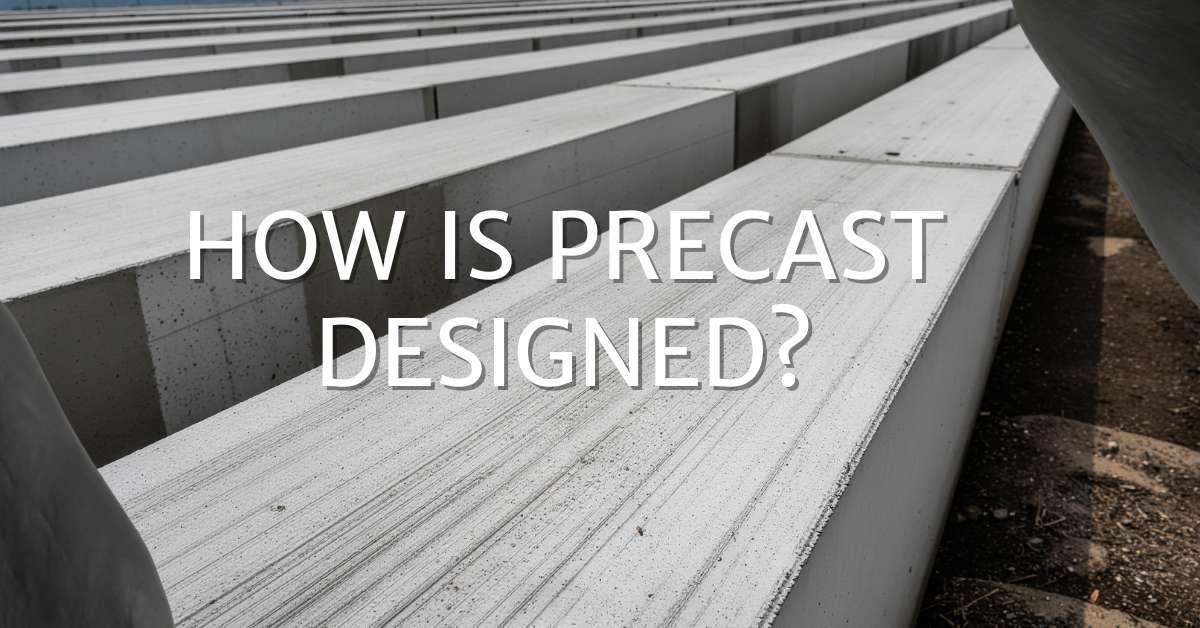
At its core, precast concrete is a composite material, primarily composed of cement, aggregates, and water, that is poured into reusable molds or forms. These elements are then cured under controlled conditions to achieve optimal strength and durability. Unlike concrete poured directly on a construction site, precast elements benefit from the consistency and precision of factory manufacturing.
Why Choose Precast? Core Benefits Explored
⚡ Enhanced Speed
Manufacturing off-site while site preparation occurs simultaneously dramatically accelerates project timelines.
✅ Superior Quality Control
Consistent material mixes, precise reinforcement placement, and optimal curing conditions ensure fewer defects.
🎨 Design Flexibility
Modern techniques allow for a wide array of shapes, sizes, finishes, textures, and color integration.
💰 Cost Savings
Reduced labor, shorter financing periods, and earlier building occupancy translate to substantial savings.
Sustainability Impact: Precast concrete buildings can boast a CO₂ footprint that is 25% smaller than those constructed with traditional methods. Industrialized construction methods like precast can slash total construction-related emissions by 20–40% compared to conventional practices. — BFT International, 2024
The Conceptualization Phase: Shaping the Vision
The journey of Precast Concrete begins long before any concrete is mixed or any molds are prepared. It starts with a vision, an idea that needs to be translated into a tangible, buildable form.
From Architectural Vision to Structural Concept
The genesis of a project often lies in the architectural aspirations. Designers envision spaces, forms, and facades that define the building’s purpose and identity. This vision must then be translated into a structural concept that is not only aesthetically pleasing but also structurally sound and constructible.
Early Design Collaboration: Bridging Vision and Feasibility
Crucially, the conceptualization phase demands early and robust collaboration between the architect, the structural engineer, and importantly, the precast manufacturer. Engaging a precaster early allows them to provide invaluable insights into the feasibility of complex designs, suggest efficient systems, and identify opportunities for cost optimization.
The Manufacturing Process: From Mix to Mold
The Art of the Concrete Mix Design
The foundation of any precast element is its concrete mix. This involves careful selection and proportioning of cement, aggregates, water, and admixtures to achieve specific performance requirements for strength, durability, workability, and finish.
Formwork and Mold Preparation
Molds or formwork are precision-engineered using materials ranging from steel to fiberglass. Surface textures, reveals, and architectural details are incorporated into the mold design for consistent replication.
Reinforcement Placement
Steel reinforcement (rebar or prestressing strands) is meticulously positioned within the mold to provide tensile strength and ensure structural performance under various load conditions.
Concrete Placement and Consolidation
Concrete is carefully poured into the mold and consolidated using vibration techniques to eliminate air voids and ensure complete encapsulation of reinforcement.
Curing and Quality Assurance
Controlled curing conditions (temperature, humidity) accelerate strength gain. Rigorous testing and inspection protocols ensure each element meets specifications.
Achieving Architectural Excellence: Finishes, Textures, and Color
Precast concrete is far more than a structural material; it is a powerful medium for architectural expression.
| Finish Type | Description | Visual Effect |
|---|---|---|
| As-Cast / Form Finish | Replicates the mold surface directly | Smooth to lightly textured |
| Exposed Aggregate | Surface treatment reveals natural stone aggregates | Natural, stony appearance |
| Sandblasted | Abrasive treatment creates uniform texture | Matte, textured surface |
| Acid Etched | Chemical treatment exposes fine aggregate | Subtle, refined texture |
| Polished | Grinding and polishing process | High-gloss, mirror-like finish |
Color integration through integral pigments, stains, or coatings allows for virtually unlimited chromatic possibilities, enabling structures that harmonize with their surroundings or stand out as bold architectural statements.
Sustainability and Green Building
The environmental advantages of precast concrete are numerous and align with modern sustainability goals.
Smaller CO₂ Footprint
vs. traditional methods
Emissions Reduction
industrialized construction
The sustainability credentials of Precast Concrete make it a valuable component in achieving green building certifications such as LEED and BREEAM, contributing to reduced site disturbance, efficient resource use, and long-term durability.
Common Precast Applications: Versatility in Action
Specialized Precast Products
Beyond structural components, the precast industry produces architectural facade panels, modular building systems, sound barriers, stadium seating, and custom-designed elements for unique projects requiring high tolerance and specific performance characteristics.
Choosing Your Precast Partner
Selecting the right precast concrete manufacturer is as critical as the design and engineering phases themselves.
What to Look For: Proven track record with successful projects • Robust quality control systems • PCI certification and relevant accreditations • Design and engineering capabilities • Manufacturing capacity and logistical expertise • Willingness to engage in early collaboration
Conclusion
The journey of Precast Concrete design, from the initial spark of an idea to the final erected structure, is a testament to modern engineering and manufacturing prowess. It represents a sophisticated approach that balances architectural vision with structural integrity, driven by unparalleled precision and quality control.
Why Precast Stands Apart
- Speed of construction through parallel off-site manufacturing
- Superior quality from controlled factory conditions
- Design flexibility with diverse finishes, textures, and colors
- Sustainability with 99%+ waste recycling and reduced emissions
- Cost-effectiveness through reduced labor and faster occupancy
- Durability ensuring long-lasting structures with minimal maintenance
- Versatility across commercial, industrial, and infrastructure applications
As the global market continues its strong growth trajectory, choosing the right precast partner becomes instrumental. Engaging experienced professionals early in the conceptual phase ensures that the unique advantages of precast are leveraged to their fullest, paving the way for projects that are delivered efficiently, perform exceptionally, and stand the test of time.