Eco-Friendly Construction: Essential Sustainable Precast Concrete Options Revealed
How environmental friendly construction materials and precast concrete manufacturing are building a more sustainable future
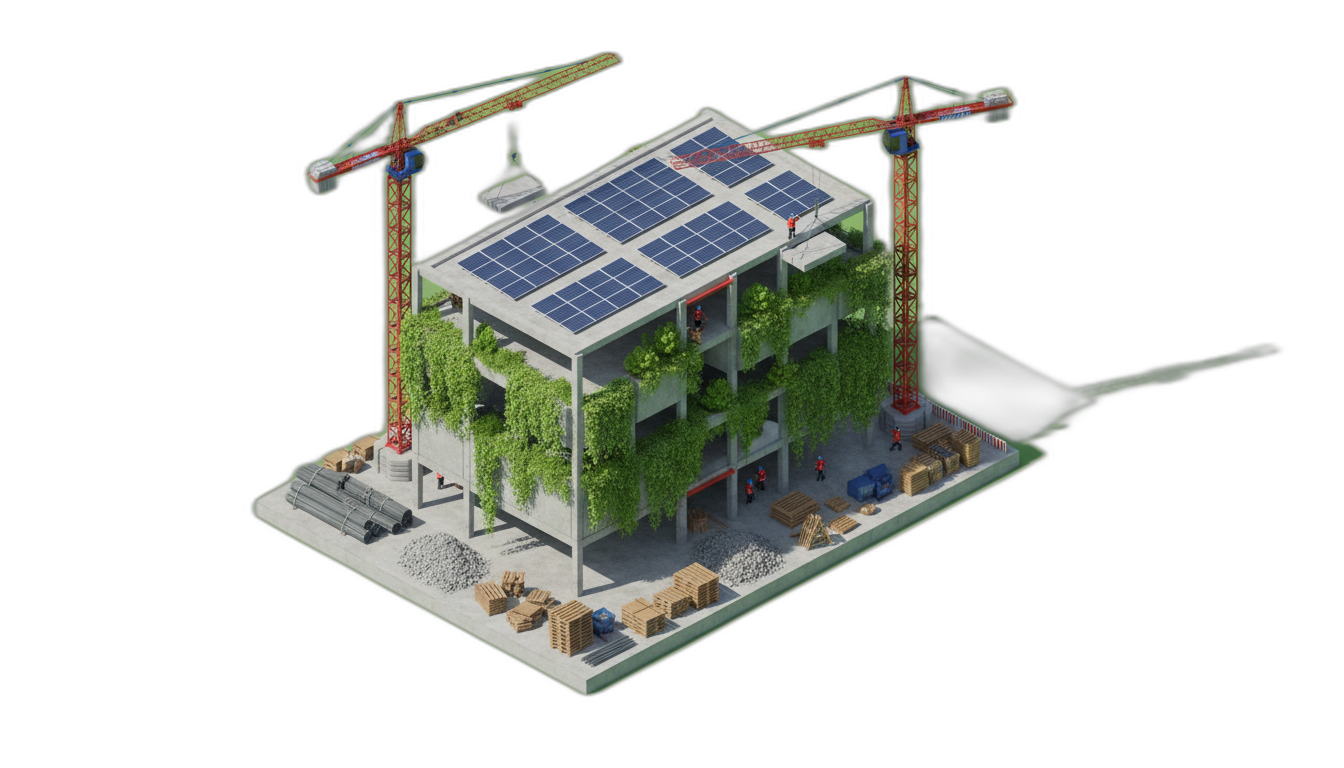
Precast concrete manufacturing delivers environmental friendly construction materials through controlled processes and reduced waste
Why Environmental Friendly Construction Materials Matter Now
The construction industry accounts for approximately 39% of global carbon dioxide emissions, making the adoption of environmental friendly construction materials one of the most impactful steps any builder or developer can take. As regulatory frameworks tighten and project owners increasingly demand sustainable building practices, understanding which materials and manufacturing processes deliver genuine environmental benefits has become essential for competitive construction companies.
At Heldenfels Enterprises, we have invested decades in refining our precast concrete manufacturing to minimize environmental impact while maximizing structural performance. Precast concrete stands out among environmental friendly construction materials because it addresses sustainability at every stage — from raw material sourcing through manufacturing, installation, operational performance, and end-of-life recyclability.
The Environmental Advantages of Precast Concrete Manufacturing
Precast concrete's sustainability credentials begin in the manufacturing facility, where controlled processes dramatically reduce the waste, emissions, and resource consumption associated with traditional construction methods. Understanding these advantages is critical for project teams evaluating environmental friendly construction materials for infrastructure and building projects.
Reduced Material Waste Through Precision Manufacturing
Factory-controlled precast production generates significantly less waste than cast-in-place concrete construction. Reusable steel forms eliminate the wood formwork waste common on job sites. Precise batching systems ensure concrete mixes use exactly the materials required, with excess material recycled back into production rather than sent to landfills. According to the U.S. Environmental Protection Agency, construction and demolition debris accounts for over 600 million tons of waste annually in the United States — precast manufacturing helps reduce this figure substantially.
Lower Carbon Emissions Per Component
While cement production remains carbon-intensive, precast manufacturers implement multiple strategies to reduce the carbon footprint of each component. Supplementary cementitious materials (SCMs) like fly ash, slag cement, and silica fume replace a significant portion of Portland cement without sacrificing strength. Optimized mix designs reduce the total cementitious content required. Efficient curing processes using steam or radiant heat consume less energy than extended field curing of cast-in-place concrete.
Precast concrete plants can incorporate up to 50% supplementary cementitious materials in their mix designs, replacing Portland cement with industrial byproducts like fly ash and slag — reducing carbon emissions while improving long-term durability.
Water Conservation and Recycling
Precast facilities operate closed-loop water systems that capture, treat, and reuse wash water from production processes. This stands in sharp contrast to job-site concrete operations where water runoff enters storm drains and is lost. Environmental friendly construction materials must account for water consumption — precast manufacturing addresses this through systematic recycling that reduces freshwater consumption by up to 70% compared to conventional site-cast operations.
Manufacturing Sustainability
Precast plants use reusable steel molds that last thousands of casting cycles, eliminating wood formwork waste. Precise batch controls minimize overproduction. Controlled curing environments optimize energy use. Excess concrete is crushed and recycled as aggregate for new production runs.
The factory setting also enables better air quality management, with dust collection systems and emission controls that protect both workers and surrounding communities — something impossible to replicate on open construction sites.
100+ Year Service Life
Precast concrete's exceptional durability means structures require fewer repairs, less maintenance material, and delayed replacement cycles. A precast parking garage or bridge component can serve for over a century with proper maintenance — dramatically reducing the lifetime environmental footprint compared to materials requiring replacement every 20-30 years.
At end of life, concrete is fully recyclable as crushed aggregate for road base, fill material, or new concrete production — closing the material loop entirely.
LEED and Green Building Support
Precast concrete contributes to multiple LEED credit categories including recycled content, regional materials, construction waste management, and thermal performance. Environmental Product Declarations (EPDs) for precast products provide transparent, third-party verified environmental impact data that supports green building certification applications.
Projects incorporating precast concrete can earn significant points toward LEED, WELL, and other green building rating systems — making precast a strategic choice for sustainability-focused developments.
Comparing Environmental Friendly Construction Materials
Project teams evaluating environmental friendly construction materials should compare options across multiple sustainability criteria. Precast concrete consistently ranks among the top performers across key environmental metrics when the full lifecycle is considered.
| Sustainability Factor | Precast Concrete | Cast-in-Place | Structural Steel |
|---|---|---|---|
| Material Waste | Very low (2-5%) | Moderate (10-15%) | Low (5-8%) |
| Recycled Content | Up to 50% SCMs | Up to 30% SCMs | Up to 90% recycled steel |
| Service Life | 100+ years | 75-100 years | 75+ years (with coatings) |
| End-of-Life Recyclability | Fully recyclable as aggregate | Recyclable but costly | Highly recyclable |
| Site Disruption | Minimal | Significant | Moderate |
| Thermal Mass | Excellent | Excellent | Poor |
Precast Concrete in Renewable Energy and Sustainable Infrastructure
The intersection of environmental friendly construction materials and renewable energy infrastructure represents one of the fastest-growing applications for precast concrete. As the nation transitions toward cleaner energy sources, precast components provide the durable, sustainable foundations that renewable energy installations demand.
Solar Farm Foundations
Utility-scale solar installations require thousands of individual foundation elements that must be manufactured quickly, installed efficiently, and endure decades of service with zero maintenance. Precast concrete foundations for solar arrays are produced in controlled factory conditions, delivered to site, and installed in minutes per unit — dramatically reducing site disturbance and accelerating project timelines. Our eco-friendly precast foundations for solar installations exemplify how environmental friendly construction materials directly enable renewable energy deployment.
Wind Energy Support Structures
Precast concrete towers and foundations for wind turbines offer superior durability and reduced maintenance compared to steel alternatives in corrosive environments. The thermal mass of concrete protects internal components from temperature extremes, extending equipment life while reducing operational energy consumption for climate control systems.
Sustainable construction is not about compromise — it is about choosing materials and processes that deliver superior performance while minimizing environmental impact. Precast concrete achieves both objectives simultaneously.
Heldenfels Enterprises Sustainability InitiativeSpecialty Engineered Sustainable Solutions
Beyond standard applications, precast concrete serves specialized sustainable infrastructure needs including water treatment structures, stormwater management systems, and sustainable precast foundations for renewable energy projects. These applications leverage precast concrete's chemical resistance, watertight performance, and structural longevity to create infrastructure that protects environmental resources for generations.
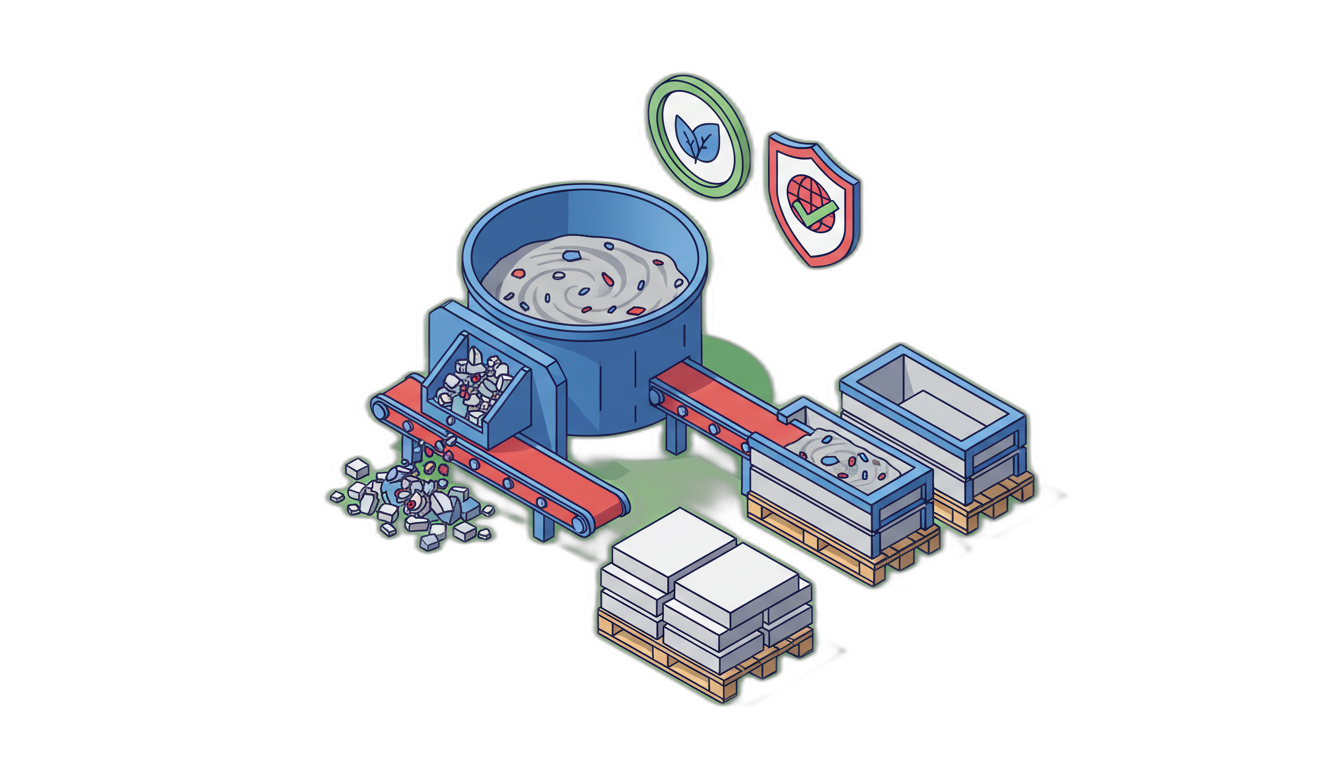
Precast concrete foundations support renewable energy infrastructure with minimal environmental impact
Thermal Performance and Energy Efficiency
Among environmental friendly construction materials, precast concrete delivers exceptional thermal mass properties that significantly reduce building energy consumption over the structure's lifetime. The high thermal mass of concrete walls absorbs heat during the day and releases it slowly at night, moderating interior temperature swings and reducing HVAC energy demands by 15-25% compared to lightweight wall systems.
Insulated precast sandwich panels combine structural concrete, continuous rigid insulation, and an architectural concrete exterior in a single factory-produced component. This integrated approach eliminates thermal bridging, achieves R-values exceeding R-25, and provides both structure and envelope in one installation step — reducing construction time and improving building performance.
Sustainable Practices in Modern Precast Manufacturing
The selection of environmental friendly construction materials extends beyond the product itself to encompass manufacturing processes. Modern precast facilities implement comprehensive sustainability programs that address energy consumption, emissions, water use, and waste generation throughout the production cycle.
Our manufacturing facilities continuously invest in sustainability improvements — from energy-efficient curing systems and water recycling infrastructure to optimized mix designs that reduce cement content without compromising structural performance.
Conclusion: Precast Concrete Leads the Sustainable Construction Revolution
Selecting environmental friendly construction materials is no longer optional — it is a strategic imperative for responsible construction. Precast concrete delivers a proven combination of manufacturing efficiency, material performance, thermal benefits, and end-of-life recyclability that positions it among the most sustainable structural materials available today.
At Heldenfels Enterprises, sustainability is integrated into every aspect of our precast manufacturing operations. From renewable energy foundations to commercial building components, our team delivers precast solutions that meet the highest environmental standards without compromising structural performance. Contact us today to learn how our sustainable precast concrete products can support your next project's environmental goals.