
What is LNG Used For? Top 7 Industrial and Infrastructure Applications Explained
Explore how LNG supports power generation, industrial operations, transportation, remote energy supply, and the infrastructure system needs.
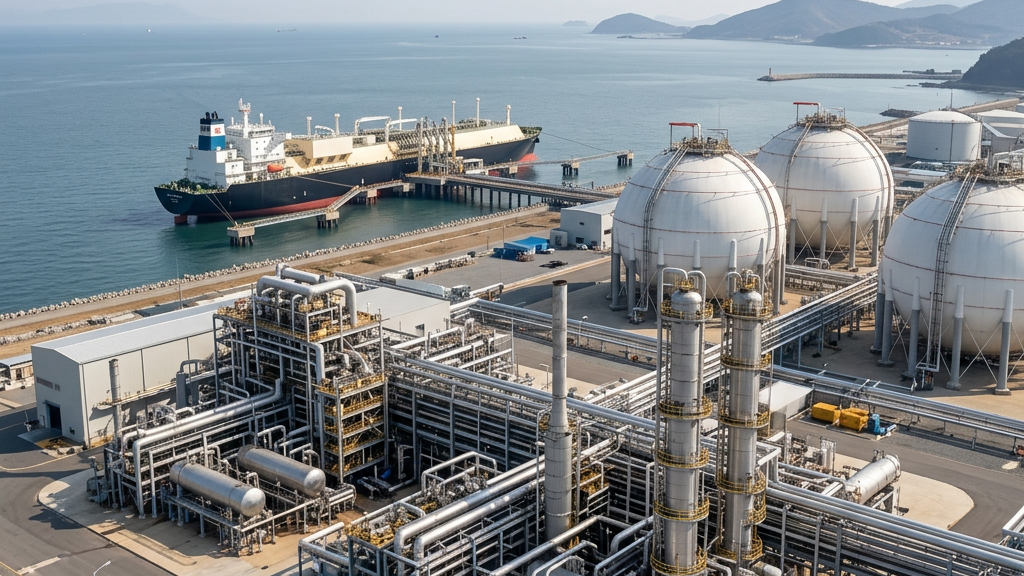
An LNG facility uses specialized storage tanks, pipe systems, marine terminals, and heavy industrial infrastructure to receive, store, and distribute liquefied natural gas.
Liquefied natural gas, or LNG, plays a major role in moving natural gas from supply-rich regions to the power plants, industrial facilities, transportation networks, and communities that need it. Because LNG can be stored and shipped more efficiently than natural gas in its gaseous form, it helps serve markets where pipelines are limited, unavailable, or impractical.
But LNG is not just an energy product; it is also an infrastructure challenge. Every LNG terminal, storage system, regasification facility, marine fuel site, and industrial energy project depends on durable structures that can support heavy equipment, strict safety requirements, and demanding construction schedules. That is where industrial precast concrete infrastructure becomes an important part of the LNG supply chain.
What is LNG?
LNG stands for liquefied natural gas. It is natural gas, primarily methane, that has been cooled to approximately -260°F until it becomes a liquid. This process reduces the volume of natural gas dramatically, making it easier to store and transport by ship, truck, or specialized container.
The key point is simple: LNG is usually not the fuel burned directly by homes and businesses. In most cases, LNG is transported and stored as a liquid, then converted back into natural gas through regasification. After that, it enters the natural gas system and can be used for electricity generation, industrial processes, heating, cooking, and other applications. The U.S. Energy Information Administration explains that LNG is offloaded, stored in cryogenic tanks, regasified, and then transported by pipeline to power plants, industrial facilities, and residential and commercial customers.
That distinction matters. LNG is best understood as a way to store, transport, and distribute natural gas, especially across oceans or into regions that lack pipeline access.
What Is LNG Used For?
LNG is used wherever natural gas demand exists, but pipeline delivery is limited, unreliable, or impossible. Its main value is mobility. LNG allows producers, utilities, industrial operators, and governments to move natural gas from supply-rich regions to demand centers around the world.
The most important LNG applications include:
- Power generation
- Industrial heating and manufacturing
- Chemical production feedstock
- Remote energy supply
- Marine and heavy-duty transportation fuel
- Residential and commercial natural gas supply after regasification
- Global energy trade and energy security
Each use depends on a reliable chain of infrastructure, including liquefaction plants, storage tanks, export terminals, LNG carriers, import terminals, regasification systems, pipelines, and distribution networks.
Top 7 Industrial and Infrastructure Applications Explained
1. LNG for Power Generation
Once regasified, LNG becomes natural gas that can fuel power plants supplying electricity to cities, industrial zones, commercial districts, and grid systems. These gas-fired plants can ramp output up or down relatively quickly, making them useful for supporting grid reliability when renewable energy production changes. For infrastructure planners, LNG power generation creates demand for terminals, storage systems, foundations, pipe racks, equipment supports, and other heavy-duty industrial components.
2. LNG for Industrial Heating and Manufacturing
Industrial facilities use natural gas for process heat, steam generation, drying, melting, refining, and other high-energy operations. LNG supports these uses by making natural gas available to facilities that are not directly connected to major pipeline systems.
Industries that may rely on regasified LNG or natural gas include:
- Steel and metals production
- Cement and concrete-related operations
- Glass manufacturing
- Food processing
- Pulp and paper production
- Refining and petrochemical operations
- Mining and mineral processing
Manufacturers use LNG for reliable energy when pipeline gas or electric power is limited or unstable. These systems require strong foundations, equipment platforms, containment structures, and supports built for heavy loads and harsh operating conditions.
3. LNG as Feedstock for Chemical Production
Natural gas is used both as an energy source and as a feedstock in chemical production. After LNG is regasified, the resulting natural gas can help produce hydrogen, ammonia, methanol, fertilizers, and other chemical products. Because LNG is mostly methane, it should not be described as directly producing ethylene, which is more commonly made from feedstocks such as ethane, propane, butane, or naphtha.
The better explanation is this: LNG helps supply natural gas to chemical facilities, and that natural gas can be used as both fuel and feedstock.
Chemical facilities require large, complex infrastructure systems. These sites often include pipe racks, foundations, structural supports, containment areas, processing units, storage areas, and utility systems. Durable precast concrete can help support faster construction and consistent quality in these demanding environments.
4. LNG for Remote Energy Supply
LNG is valuable in remote areas where building pipelines is too expensive, slow, or impractical. Instead, it can be transported by ship, truck, or ISO-compliant container and regasified near the point of use. This “virtual pipeline” approach can supply natural gas to remote mines, island communities, industrial sites, temporary power stations, and regions with limited energy infrastructure.
Remote LNG systems can support:
- Mining operations
- Island power grids
- Temporary or modular power generation
- Remote industrial facilities
- Backup energy systems
- Communities without pipeline access.
Remote LNG facilities still need storage, regasification equipment, foundations, access roads, and containment systems. Modular construction and precast concrete can reduce site work, improve quality control, and speed up installation.
5. LNG as Fuel for Heavy-Duty Transportation
LNG can fuel heavy-duty trucks and fleet vehicles that need long range and high energy output. It is not a universal diesel replacement, but it can work well in specific fleet applications where fueling infrastructure is available. LNG transportation systems also require fueling stations, cryogenic storage, transfer equipment, safety controls, foundations, containment areas, and traffic-rated infrastructure.
6. LNG as Marine Fuel
LNG is used as a marine fuel because it produces very low sulfur oxide emissions compared with traditional heavy fuel oil. LNG-powered vessels need specialized storage tanks, fuel systems, bunkering infrastructure, port facilities, safety zones, and cryogenic transfer equipment. This creates demand for durable marine structures, including heavy-duty precast and prestressed concrete components built for coastal and port environments.
7. LNG for Residential and Commercial Natural Gas Supply
LNG can support residential and commercial energy demand, but the wording must be precise. Homes, restaurants, schools, hospitals, and office buildings generally do not use liquid LNG directly. Instead, LNG is regasified and delivered as natural gas through pipelines or local distribution systems.
That natural gas may then be used for:
- Space heating
- Water heating
- Cooking
- Backup generation
- Commercial boilers
- Certain building systems
This is why saying “LNG powers household appliances” is sloppy. The accurate version is: LNG can help supply the natural gas network that serves homes and commercial buildings after it has been regasified.
For commercial and residential customers, LNG is usually invisible. They receive natural gas, while LNG infrastructure works upstream to help make that supply available.
LNG and Emissions Reduction
LNG is often described as a cleaner-burning fossil fuel because natural gas combustion produces less carbon dioxide than coal or oil at the point of combustion. It also produces very low sulfur emissions compared with coal and heavy fuel oil.
However, the climate benefit of LNG should not be overstated. Methane is a powerful greenhouse gas, so leakage during production, processing, transport, and distribution can reduce or even undermine LNG’s emissions advantage. A responsible article should not claim that LNG is automatically “green” or that it guarantees a net-zero future.
A more accurate statement is this: LNG can reduce emissions when it replaces higher-emitting fuels such as coal or heavy fuel oil, but its overall climate impact depends on methane control, supply chain performance, and how the fuel is used.
That framing is stronger, more credible, and less like marketing fluff.
Why LNG Infrastructure Matters
LNG depends on a complex physical supply chain. Every stage requires specialized infrastructure:
- Liquefaction plants
- Cryogenic storage tanks
- Export terminals
- Marine loading facilities
- LNG carriers
- Import terminals
- Regasification systems
- Pipelines and distribution networks
- Truck loading and unloading stations
- Industrial foundations and equipment supports
These facilities must be designed for safety, durability, speed of construction, and long-term performance, especially when projects require equipment foundations that can support heavy loads and demanding operating conditions.
That is where precast concrete can play a valuable role.
The Role of Precast Concrete in LNG Facilities
Precast concrete is well-suited for many LNG-related infrastructure applications because it is manufactured in controlled plant conditions and delivered to the jobsite ready for installation. This can reduce field labor, improve consistency, and help accelerate construction schedules.
For LNG facilities, precast concrete may be used in:
- Pipe racks
- Foundations
- Equipment supports
- Wall panels
- Beams and columns
- Utility structures
- Marine and port components
- Containment and access structures
- Modular industrial construction systems
Precast concrete helps energy and industrial projects stay on schedule by allowing key components to be produced off-site while site work continues. This can reduce delays, improve quality control, and support faster installation. For LNG-related construction, Heldenfels Enterprise provides precast and prestressed concrete systems built for strength, precision, and long-term performance.
LNG, Energy Demand, and Construction Opportunity
LNG is not a magic solution to every energy challenge. It is still a fossil fuel, and its environmental value depends on how responsibly it is produced, transported, and used. But dismissing it entirely would be unrealistic. LNG remains important because it helps move natural gas where pipelines cannot, supports power reliability, supplies industrial operations, and gives energy buyers more flexibility.
For Heldenfels’ audience, the key takeaway is not simply that LNG is used for fuel. The sharper takeaway is this: LNG creates infrastructure demand.
Every LNG terminal, industrial facility, marine fuel site, regasification system, and remote energy installation requires physical structures that can perform under pressure. Precast concrete can support that demand with durable, repeatable, and efficient components for heavy civil and industrial construction.
Building Infrastructure for an LNG Project?
Heldenfels supports energy, marine, and industrial projects with precast and prestressed concrete systems built for demanding LNG infrastructure. If your project requires pipe racks, foundations, equipment supports, wall panels, marine components, or modular structural systems, our team can help you evaluate precast solutions that improve durability, quality control, and construction efficiency.
Start the Conversation